
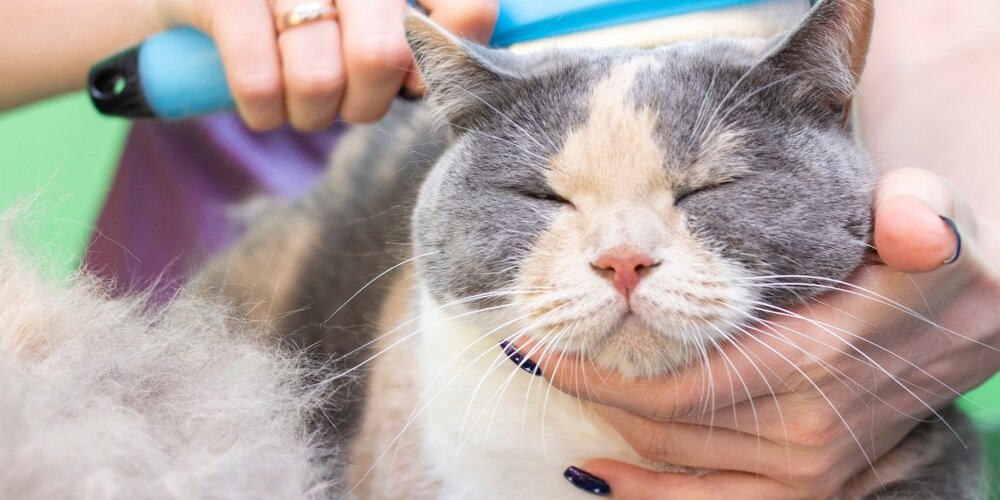
When the temperature drops and the wind starts to bite, most people instinctively think about bundling up and staying indoors. For many cat owners, that also means assuming their cats can “take a break” from grooming until spring. After all, they are indoors, fluffy, and seemingly fine.
But winter is actually one of the most important times to keep up with regular grooming, especially with the convenience of mobile grooming that comes right to your home. For cats, the cold season brings its own set of coat, skin, and comfort challenges that are easier to manage when a professional groomer is involved.
At Cats Just Cats Grooming, we see firsthand how winter can affect feline coats and behavior. Here is why your cat still needs grooming even when it is freezing outside, and how mobile grooming makes it easier on both of you.
Winter Air Is Tough On Cat Skin And Coats
In cold weather, the air outside becomes dry, and indoor heating systems remove even more moisture from your home. That combination can be harsh on your cat’s skin. You may notice more flakes, itching, static in the coat, or a dull appearance that was not there in the fall.
A winter grooming session helps remove loose fur and dander so the skin can breathe. Regular brushing and professional de-shedding reduce tangles and prevent dense areas of fur from trapping dryness against the skin. For long-haired cats, this is especially important, since thicker winter coats can hide irritation or small problem spots that owners might not see.
A groomer will also be able to get a closer look at your cat’s skin during a bath or blow-dry, checking for redness, bumps, or hot spots that can easily go unnoticed when fur gets thicker in winter.
Mats Do Not Take A Season Off
Winter coats tend to get fluffier. That might look cute in photos, but it can quickly turn into matting if the fur is not managed. Mats often form in the armpits, behind the ears, around the neck where collars sit, and under the tail. Once they start, they tighten and pull at the skin, creating discomfort and sometimes even pain.
Cold weather also means more blankets, cozy spots, and long naps. As cats curl up tighter and move less, friction can cause tangles to form faster. Those tangles can turn into mats before you know it.
Professional grooming in winter helps break that cycle. Regular comb-outs and, when necessary, sanitary or belly trims keep trouble areas under control. This is not just about looks. Removing or preventing mats makes it easier for your cat to move comfortably, stretch, and groom themselves without pulling at the skin.
Hairballs Can Increase In Colder Months
Another side effect of a heavier coat is more shedding. Even though it is cold, cats still shed, and some even shed more as the indoor environment changes. When your cat tries to keep up by grooming themselves constantly, they swallow more hair. That often means more hairballs on your floor, your furniture, or your favorite rug.
Winter grooming helps keep loose hair under control before it ends up in your cat’s stomach. The more fur that is removed during a professional grooming session, the less your cat swallows later. For older cats or cats with sensitive stomachs, this can make a noticeable difference in their comfort.
Nail And Paw Care Are Still Important Indoors
It might feel like nail trims are only crucial when cats are outdoors or climbing rough surfaces, but that is not the case. In winter, cats often spend more time inside and may be more bored, which can mean more scratching on furniture, carpets, or even people.
Regular nail trims keep claws at a healthy length so they do not get caught in blankets, sweaters, or upholstery. Overgrown nails can start to curl toward the paw pad and cause discomfort. A groomer can safely trim them and check for any cracks, splits, or issues that might be easy to miss.
Paw pads can also dry out during winter, especially in homes with forced-air heat. If your cat ventures outside at all, there is the added risk of salt, ice, and cold surfaces. A grooming session gives the groomer a chance to check between the toes and make sure there are no mats, debris, or irritated areas hiding in the fur.
Why Mobile Grooming Works So Well In Winter
One of the biggest advantages of mobile grooming during winter is that your cat never has to endure a long ride in a cold car or sit in a drafty lobby. The groomer comes directly to you, often with a fully equipped mobile grooming unit right outside your home.
That means less time in the elements and less stress overall. For many cats, the hardest part of grooming is not the bath or the brush-out. It is the travel, unfamiliar smells, and noise in a busy salon. In winter, those stressors are magnified when you add freezing temperatures and slippery conditions outside.
Mobile grooming keeps your cat in a familiar environment and limits their exposure to chilly air. You simply hand your cat off at the door, and the groomer takes care of the rest. When the session is over, your cat goes right back to their favorite warm sleeping spot.
Grooming Helps You Spot Seasonal Health Changes
Winter is a time when small health changes can be easy to overlook. Coats get thicker, and cats may sleep more and move less. A professional groomer gets a hands-on look at your cat from nose to tail. In the process, they may notice things like sudden weight changes, new lumps, flaky patches, or areas where your cat seems sensitive.
While groomers do not diagnose medical conditions, they can alert you when something seems off so you can follow up with your veterinarian. Catching a problem early is always better than waiting until spring.
Keeping Your Home Fresher During The Closed-Window Season
Once the windows are shut for the winter, everything stays inside: dander, dust, fur, and whatever your cat sheds. If your cat is not regularly groomed, more of that loose hair ends up on furniture and flooring, and more dander circulates through the home.
Regular grooming reduces the amount of loose fur and dander in the house, which makes cleaning easier and can help everyone breathe a little easier. It is a simple step that benefits both your cat and the humans they live with.
Getting The Most Out Of A Winter Grooming Appointment
You do not need to do anything elaborate to prepare for a winter grooming visit, but a few simple steps can help the appointment go smoothly. Try to schedule a time when your home is at a comfortable temperature and your cat is usually relaxed. Having your cat in a quiet room before the groomer arrives makes it easier to pick them up and hand them off.
If you have noticed any changes in your cat’s coat, like extra shedding, tangles, or dry patches, mention them to the groomer so they can tailor the session. Over the winter months, staying on a regular grooming schedule will help keep your cat’s coat balanced and manageable rather than letting problems build up.
Winter Grooming Is Essential, Not Optional
Even though winter makes us want to hibernate, your cat’s grooming routine should not. Cold weather brings dry skin, thicker coats, more opportunities for mats, and increased shedding. Mobile grooming gives you a way to address all of that without stressing your cat or making them travel in the cold.
With consistent grooming throughout the winter, your cat will stay more comfortable, cleaner, and healthier. And you get the peace of mind that comes from knowing you are taking care of their needs in every season, not just when the weather is nice.